
Exploring diverse cultural attitudes towards gambling practices worldwide
Historical Perspectives on Gambling
Gambling has a long and storied history, embedded in various cultures around the globe. From ancient civilizations like the Chinese and Romans to modern societies, gambling has often been a form of entertainment and a means of social interaction. For example, dice games can be traced back to around 3000 BC in China, while evidence of gambling in ancient Rome includes betting on gladiatorial combats. These historical foundations set the stage for how different cultures perceive and engage in gambling today. As you delve into this fascinating topic, you might come across resources like casoolareview.com, which offers insightful perspectives on contemporary gambling trends.
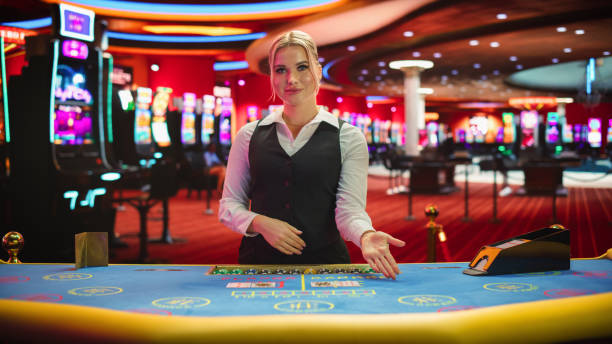
In many cultures, gambling is intertwined with rituals and festivals. For instance, in some Native American tribes, games of chance play a crucial role in community gatherings and celebrations. These events often blend spiritual beliefs with the thrill of gambling, showcasing a rich tapestry of cultural significance. Historical perspectives also reveal that gambling has been subject to moral scrutiny, with various religious groups condemning it while others embrace its social aspects.
The evolution of gambling over time reflects societal changes and cultural attitudes. In Europe, for instance, the establishment of state lotteries in the 16th century marked a shift towards legalized gambling, fundamentally altering public perceptions. In contrast, some regions resisted legalization due to the belief that gambling could lead to societal decay. This complex history emphasizes that cultural attitudes towards gambling are not static; they are shaped by numerous factors, including economic conditions, social norms, and political climate.
Cultural Attitudes Towards Gambling in the East
In many Eastern cultures, gambling is often viewed through a lens of tradition and spirituality. For instance, in countries like Japan and China, gambling is deeply embedded in the cultural fabric, often associated with festivals and family gatherings. The game of Mahjong, for example, is not just a game of chance; it is a social event that brings people together, highlighting the communal aspect of gambling. This perspective often contrasts with Western views, where gambling is frequently considered a solitary activity.
However, this cultural acceptance does not come without its challenges. In countries like China, while gambling is culturally significant, it is also heavily regulated. The government restricts gambling to specific areas like Macau, which serves as a major hub for international tourists. This regulation reflects a cultural ambivalence towards gambling, acknowledging its social importance while also aiming to mitigate potential negative impacts, such as addiction and financial ruin.
In India, gambling is often viewed with suspicion, influenced heavily by religious and cultural norms. While certain forms of betting are socially acceptable during festivals like Diwali, many traditionalists see gambling as a vice that can lead to moral decline. This ambivalence highlights a cultural tension between modernity and tradition, where the allure of gambling conflicts with longstanding societal values.
Gambling Practices in the Western World
In the Western world, gambling is often perceived as a form of entertainment rather than a vice. Countries like the United States and Canada have embraced various forms of gambling, from state lotteries to casinos, viewing them as significant revenue sources. The Las Vegas Strip serves as a prime example of how gambling is marketed as a luxurious and exhilarating experience, drawing millions of tourists each year. This commercialized approach reflects a broader cultural acceptance of gambling as part of the recreational landscape.
However, the normalization of gambling also brings forth societal concerns. Issues such as gambling addiction have gained attention, leading to calls for responsible gambling initiatives. Organizations aim to educate individuals about the risks of gambling, helping to balance the enjoyment of the activity with awareness of its potential pitfalls. This duality in attitude showcases a complex cultural relationship with gambling, where excitement meets caution.
Additionally, recent shifts in legislation surrounding online gambling illustrate evolving attitudes. As technology progresses, many Western countries have begun to embrace online platforms, reflecting a growing acceptance of gambling in digital spaces. This shift not only broadens access to gambling but also sparks discussions about the regulation and safety of online practices, further complicating cultural attitudes towards gambling.
Social Implications of Gambling Across Cultures
Gambling is more than just a game; it often serves as a microcosm of a society’s values and norms. In cultures where gambling is celebrated, it can foster community bonding and social cohesion. For example, in many Mediterranean countries, casual bets during sporting events are common social practices, demonstrating a communal spirit. This integration of gambling into daily life suggests a cultural acceptance that can facilitate social interactions and shared experiences.
Conversely, in societies that view gambling negatively, the stigma attached to it can lead to isolation for individuals who partake. In these contexts, gambling may be associated with shame or moral failure, affecting not only individuals but also their families and communities. Such social implications extend beyond personal experiences, influencing public policy and healthcare initiatives aimed at addressing gambling addiction and its consequences.
Moreover, gambling can serve as a reflection of socioeconomic dynamics. In regions where economic opportunities are limited, gambling may be seen as a way to achieve financial success, leading to increased participation despite the risks involved. This socio-economic dimension highlights the complexities of cultural attitudes toward gambling, illustrating that perceptions often stem from broader societal challenges and aspirations.

Conclusion: The Role of Online Platforms
In the modern landscape of gambling, online platforms have revolutionized how individuals engage with games of chance. Websites like Casoola Casino, launched to cater specifically to players in the UK, exemplify this evolution. With an extensive selection of games and a focus on safety and compliance, online casinos are reshaping cultural attitudes towards gambling by making it more accessible and socially engaging.
The rise of online gambling also raises important questions about cultural perceptions. As more individuals turn to digital platforms, the dynamics of gambling change, blending traditional practices with modern technology. This evolution fosters a new wave of dialogue surrounding responsible gambling, ensuring that cultural attitudes adapt to accommodate the growing digital landscape.
Ultimately, exploring diverse cultural attitudes towards gambling practices worldwide reveals a rich tapestry of beliefs, values, and social implications. As these attitudes continue to evolve, they will shape the future of gambling, influencing how societies engage with this timeless form of entertainment. Understanding these dynamics is essential for fostering a responsible and inclusive gambling environment that respects cultural nuances and individual choices.